Quick Answer: In Toronto, owners of industrial, commercial, institutional and Part 3 residential properties, and construction sites, must install a backflow prevention device under the City's Water Supply By-law. Testable devices must be tested when they are installed, within 72 hours after they are cleaned, repaired, replaced or serviced, and at least once a year, by a certified Cross Connection Control Specialist who reports the results to the City.
If you own or manage a building in Toronto and a letter from Toronto Water has landed on your desk, or your property manager has asked when the backflow test is due, this guide covers the essentials: who needs a device, how often it has to be tested, what the test involves and what to do when a device fails.
What a Backflow Preventer Does
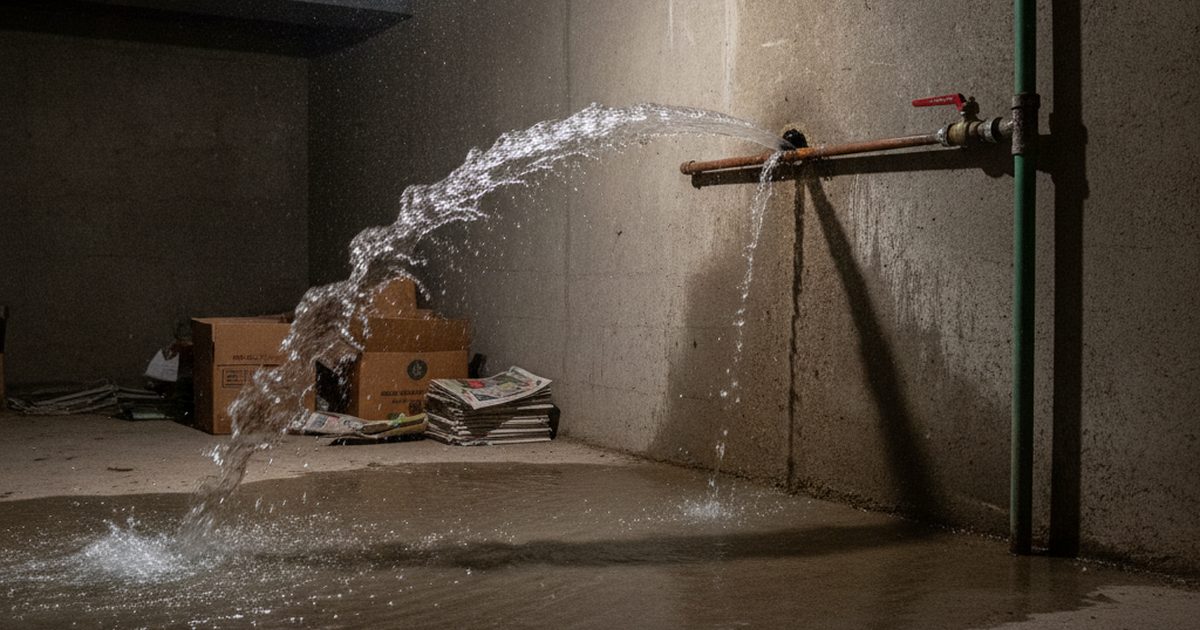
Water is supposed to travel one way: from the City's watermain into your building. When pressure in the main drops, for example during a watermain break or heavy firefighting demand, water inside a building can be pulled backward into the public supply. Pressure inside the building's own system, from a boiler, a pump or a fire sprinkler system, can push it backward too.
A backflow preventer is an assembly of check valves installed on the water service that stops that reverse flow. It keeps whatever is in your building's pipes, whether that is boiler chemicals, irrigation water or stagnant sprinkler water, out of the drinking water your neighbours use.
Which Toronto Properties Need Backflow Prevention?
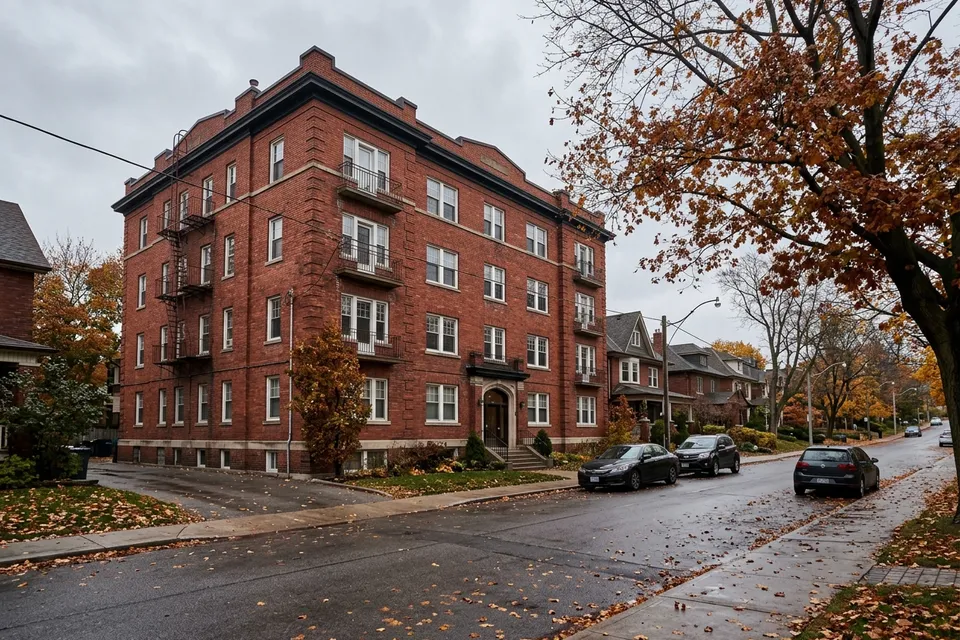
The City of Toronto's Backflow Prevention Program makes it mandatory for "property owners of industrial, commercial, institutional and Part 3 residential properties" to install a device, and construction sites are included as well. Part 3 residential refers to buildings covered by Part 3 of the Ontario Building Code, which in practice means larger apartment and condominium buildings.
In everyday terms, that usually takes in:
- office buildings, retail plazas and other commercial properties
- restaurants and food-service businesses
- apartment and condominium buildings
- medical and dental offices, schools and childcare centres
- manufacturing, warehouse and automotive properties
- buildings with fire sprinkler systems or irrigation systems
- construction sites drawing water from the City system
The type of device depends on the hazard the property poses to the water supply, which is set out in a backflow survey. A typical single-family house is not one of the property types the program names. If you are unsure whether your property is covered, a notice from the City is the clearest answer, and we can help you read it.
How Often Does a Backflow Preventer Need Testing?
The City lists three points at which a testable device has to be tested:
- at the time of initial installation
- within 72 hours after the device has been cleaned, repaired, replaced, serviced or overhauled
- at least once a year
The annual test is the one most owners lose track of. The City explains why it matters: "As DCVA valves can fail with no visible warning, they must be tested at least once a year." A double check valve assembly can look perfect from the outside while a worn spring or a fouled check valve lets water slip back through.
Separately from testing, the backflow survey that sets your property's hazard level has to be kept current. The City says surveys must be updated at least every five years, or within 30 days of any increase in hazard level, such as a change of use or new equipment connected to the water system.
Who Can Test a Backflow Preventer?
Not every plumber can. The City states that testing is done by "plumbers, engineers and fire system sprinkler fitters certified as Cross Connection Control Specialists", and test results must be reported to the City by a certified specialist using the City's online form. A test that is not reported properly does not count, so it is worth confirming with whoever you hire that they will file the report.
What Happens During a Backflow Test
A test takes place on the assembly where it is installed, usually in a mechanical room or near where the water service enters the building. The water supply through the device is shut off for a short time while the test is done, so it helps to plan the visit with tenants or staff in mind.
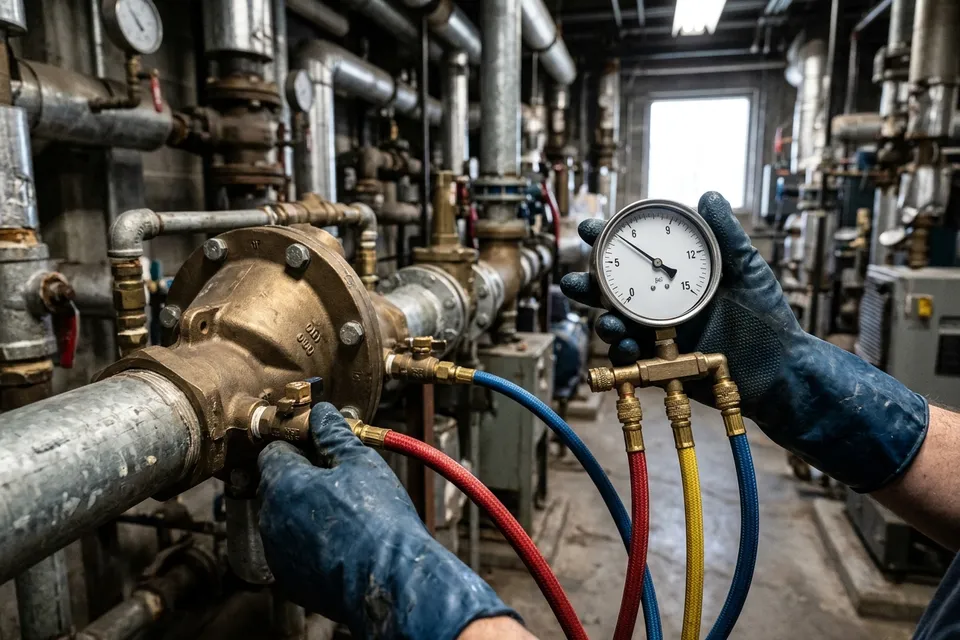
The tester connects a calibrated test kit to the test cocks on the assembly and measures how each check valve and relief valve holds against pressure. Each reading is compared with the required tolerance for that type of device. If everything is within range, the device passes and the result is recorded and reported. Our team then tells you when the next annual test falls due.
What If the Device Fails?
A failed test does not always mean a new assembly. Common causes include:
- worn check valves, springs or seals
- debris caught in a check valve
- a leaking relief valve
- shutoff valves that no longer close fully
- freeze damage on an assembly in an unheated space
- an assembly installed without enough clearance to test or service it
Often the internal parts can be repaired. Because the City requires a test within 72 hours after a device is repaired or serviced, the assembly is retested after the work and the new result is reported. If the device is badly damaged, obsolete or the wrong type for the hazard, replacement is the better choice, and we will explain the options and the price before any work starts.
Backflow Preventers and Backwater Valves Are Not the Same
The names sound alike, and they get mixed up all the time. A backflow preventer protects the drinking water supply by stopping water flowing backward out of your building. A backwater valve sits on the drain and stops sewage flowing backward into your basement during heavy rain. Many Toronto homes need a backwater valve, and the City's basement flooding subsidy can help with that cost. Backflow preventers are mainly a requirement for commercial, institutional and larger residential buildings.
Book Backflow Testing in Toronto
If your annual test is coming up, you have received a notice from the City, or a device failed its last test, we can help. Advanced Plumbing & Drains installs, tests, repairs and replaces backflow prevention devices for commercial, industrial, institutional and multi-residential properties across Toronto, including North York, Etobicoke, Scarborough, East York and Mississauga. We are licensed and insured, with same-day appointments available Monday to Saturday, 7am to 7pm.
Learn more about our backflow preventer installation and testing service, or call (416) 769-8800 to book your test.
Frequently Asked Questions
How often does a backflow preventer need to be tested in Toronto? At least once a year, plus at installation and within 72 hours after the device has been cleaned, repaired, replaced or serviced.
Does my house need a backflow preventer? The City's program names industrial, commercial, institutional and Part 3 residential properties and construction sites. A typical single-family home is not on that list. If your home has a basement flooding problem, the device you are probably thinking of is a backwater valve.
Who sends the test results to the City? The certified Cross Connection Control Specialist who performs the test reports the results to the City using its online form.
What is a backflow survey? A survey looks at the property's water connections and equipment to set its hazard level and the type of device required. The City requires it to be updated at least every five years, or within 30 days if the hazard level increases.
Can a failed backflow preventer be repaired? Often, yes. Worn check valves, springs and seals can usually be replaced, and the device is then retested. A badly damaged or unsuitable assembly may need replacing.