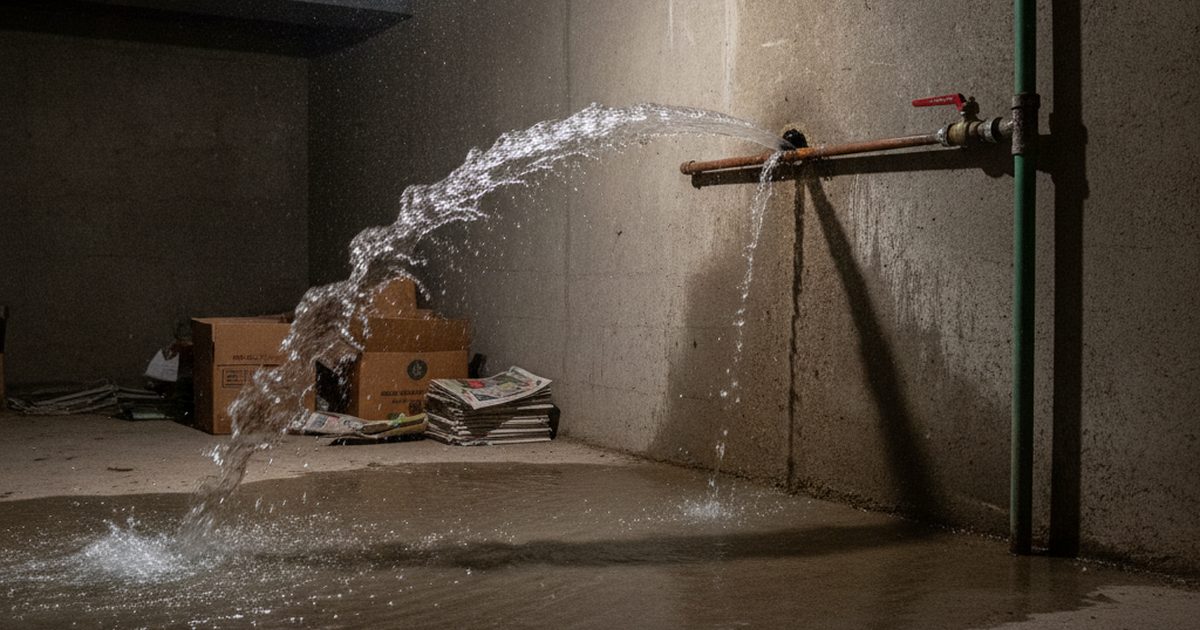
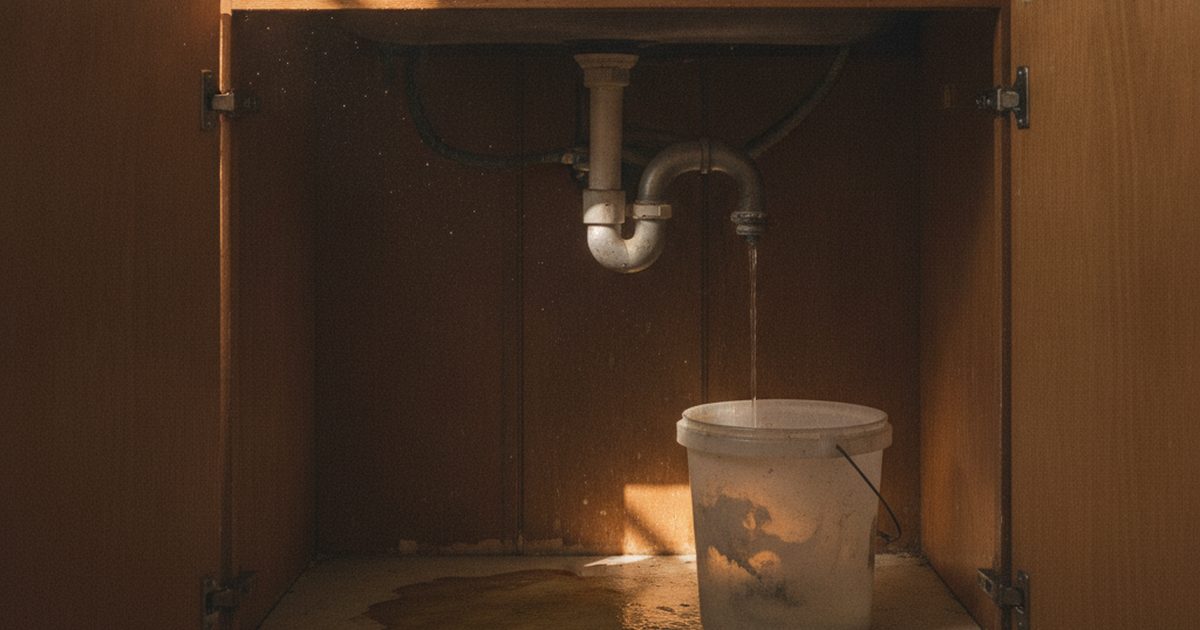
Quick Answer: Repair a toilet when the bowl and tank are sound and a single part has failed: a worn flapper, a fill valve that will not shut off, a loose handle or a leaking wax ring. Replace it when the porcelain is cracked, the toilet clogs again and again with normal use, or it is an older high-volume model that keeps needing parts. A toilet that runs or leaks costs you water every hour, so either way it is worth fixing soon.
A toilet that runs all night, rocks when you sit on it or needs the plunger every week is easy to live with for a while. Sooner or later the question comes up: is this a quick repair, or is it time for a new toilet? Here is how we answer that on a service call in Toronto homes.
Why a Running or Leaking Toilet Costs More Than You Think
A running toilet is the most common repair we see, and it is also the one most people put off. The water does not stop at the bowl. It goes down the drain and onto your water bill.
The City of Toronto puts it plainly on its water leaks page: "Toilets are a common cause of leaks," and a leaky toilet can waste up to 20 cubic metres of water a day in the worst cases. Most running toilets waste far less than that, but even a slow, silent leak runs 24 hours a day.
You can check for a silent leak yourself. The City's test: put a few drops of food colouring or a dye tablet in the tank (not the bowl), do not flush, and wait 10 to 15 minutes. If colour shows up in the bowl, water is leaking past the flapper.
Signs Your Toilet Can Be Repaired
Most toilet problems are a part, not the toilet. A repair makes sense when the porcelain is in good shape and the problem is one of these:
- It runs or refills on its own. A worn or warped flapper lets water slip into the bowl, so the tank keeps topping itself up. A new flapper usually fixes it.
- It will not stop filling. The fill valve is not shutting off, or the float is set too high and water runs into the overflow tube.
- Weak or incomplete flush. A chain that is too long, a flapper that drops too early, or mineral buildup in the rim holes. Over the years, mineral scale from tap water slowly blocks the jets.
- The handle is loose or sticks. A handle or lever arm is one of the simplest parts on the toilet to replace.
- Water around the base. If the floor is wet after flushing, the wax ring under the toilet may have failed, or the closet bolts have loosened. We lift the toilet, replace the seal and reset it.
- It rocks. A toilet that moves will break the wax seal sooner or later. Resetting it on a new seal, with shims if the floor is uneven, fixes the movement.
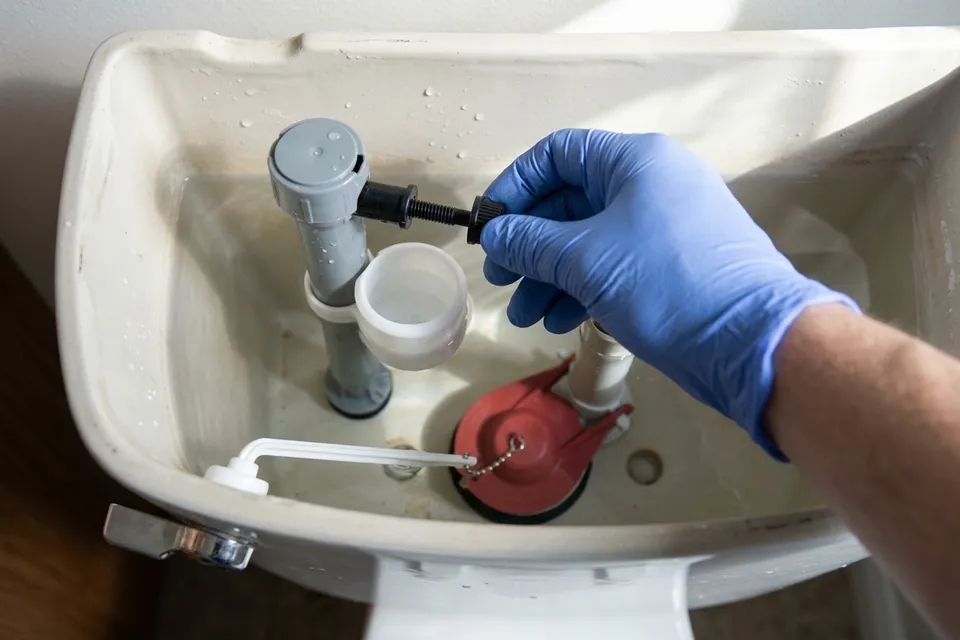
These are all repairs we can usually finish in one visit. We test the flush several times before we leave, and we check the supply valve at the wall, because an old valve that will not close fully is a leak waiting to happen.
Signs Your Toilet Needs Replacing
Replacement is the better choice when the toilet itself is the problem, or when the repairs keep coming:
- Cracked tank or bowl. A crack in the porcelain can leak slowly onto the floor, or fail without warning. Porcelain cannot be reliably repaired, so a cracked toilet gets replaced.
- It clogs again and again. If a toilet clogs with normal use, the trapway may be narrow, rough or partly blocked by something that went down months ago. Clogs that keep coming back can also mean the problem is further down the line, which we check before recommending a new toilet.
- It is an older high-volume model. Many toilets in older Toronto homes use far more water per flush than current models. The City recommends low-flush or dual-flush toilets that use 4.8 litres or less per flush, and when a toilet like that is already costing you in repairs, replacing it is often the better spend.
- Parts are hard to find. Some older or uncommon toilets use flush valves and tank parts that are no longer easy to source. If every repair means hunting for a part, it is time.
- You are already renovating. If the bathroom floor is coming up anyway, that is the cheapest moment to replace the toilet and the flange under it.
Clogs That Keep Coming Back: Toilet or Drain?
A toilet that clogs often is not always a toilet problem. If more than one fixture is slow, if the toilet gurgles when the washing machine drains, or if water comes up in the basement floor drain, the clog is likely in the main drain, not the toilet.
Older Toronto homes, especially in neighbourhoods like The Annex, Leaside and High Park, often have original clay or cast iron drain lines where roots and buildup narrow the pipe. A new toilet will not fix that. Our guide to telling a slow sink from a main drain clog walks through the signs, and our clog clearing service covers both a single blocked toilet and a main drain that needs snaking or a camera check.
That is why we look at the drain before we recommend replacing a toilet for clogging. If the line is the problem, we tell you so.
What Toilet Repair and Replacement Involve
A typical toilet repair visit: we find the failed part, replace it, adjust the water level and flush several times to confirm the fix. Flapper, fill valve and handle repairs are usually quick. A wax ring replacement means turning off the water, draining the tank and bowl, lifting the toilet, cleaning the flange, setting a new seal and bolts and resetting the toilet level.
A toilet replacement follows the same steps to take the old toilet out. Then we check the closet flange (a cracked or corroded flange is common in older homes and gets repaired or replaced before the new toilet goes on), set the new toilet on a new seal, connect a new supply line, and test it. We take the old toilet away.
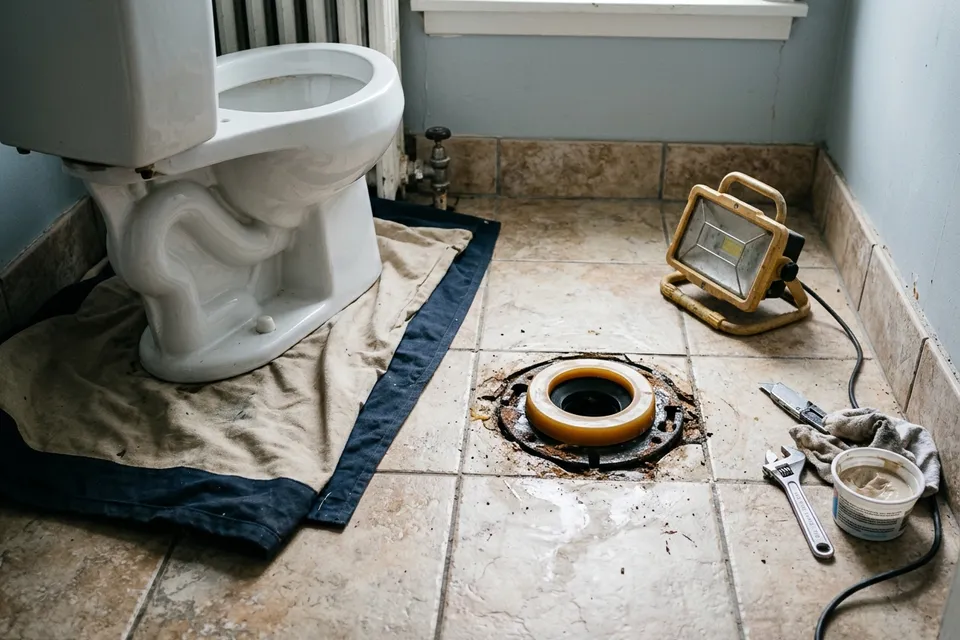
In both cases, you get the repair options and the price before any work starts, so you can decide with the numbers in front of you.
Repair or Replace: How We Help You Decide
On a service call we check the tank parts, the flush, the seal at the base, the supply valve and the condition of the porcelain. If the toilet clogs often, we look at whether the problem is the toilet or the drain behind it. Then we tell you clearly what has failed, whether the toilet is worth keeping, and what each option costs.
If a new flapper or fill valve will do the job, we will say so. If the toilet is cracked, keeps clogging with a clear drain, or is an old high-volume model you keep paying to fix, we will explain why replacing it is better value.
Book a Toilet Repair in Toronto
A running or leaking toilet does not fix itself, and a slow leak at the base can damage the subfloor and the ceiling below before you see it. Our licensed and insured team repairs and replaces toilets across Toronto, from Roncesvalles and The Junction to Riverdale, East York and North York. We offer same-day appointments Monday to Saturday, 7am to 7pm.
Learn more about our plumbing repair service, or call (416) 769-8800 to book. If you are planning a bathroom renovation, our plumbing installation service covers the new toilet along with the rest of the fixtures.
Frequently Asked Questions
Why does my toilet keep running? Most often the flapper at the bottom of the tank is worn and lets water leak into the bowl, so the fill valve keeps refilling the tank. A fill valve set too high, a chain that is too short or a cracked overflow tube can do the same thing. A dye test in the tank tells you whether the flapper is leaking.
Is it worth repairing an old toilet? If the porcelain is sound and the problem is a flapper, fill valve, handle or wax ring, yes. Those repairs are small. If the toilet is cracked, clogs often with a clear drain, or uses a lot of water per flush and keeps needing parts, replacing it is usually the better value.
Why is there water around the base of my toilet? Water at the base after flushing usually means the wax ring has failed or the toilet has worked loose. It can also be condensation on the tank in humid weather, or a leak at the supply line. A failed seal should be fixed soon, because the water soaks into the floor under the toilet.
Can a clogged toilet be a sign of a bigger drain problem? Yes. If several fixtures drain slowly, the toilet gurgles when other fixtures drain, or water appears at the basement floor drain, the blockage is likely in the main drain. A new toilet will not fix that, so we check the drain first.