Quick Answer: If only one sink is draining slowly, the clog is almost always in that fixture's trap or branch line and can be cleared at the fixture. If several drains are slow at once, the toilet gurgles when the sink runs, or water comes up through the basement floor drain, the blockage is in the main drain, and it needs a plumber with a drain snake or hydro jetting, often followed by a camera inspection.
A slow sink is one of the most common calls we get. The question that decides what happens next is simple: is it one drain, or is it all of them?
One Slow Drain: A Fixture Clog
When a single bathroom or kitchen sink drains slowly and everything else in the house is fine, the blockage is close to that fixture. Water from that sink passes through a P-trap under the basin and a short branch line before it joins the rest of the plumbing. That is where most single-fixture clogs sit.
Common causes:
- Bathroom sinks: hair and soap scum caught on the pop-up stopper and in the trap.
- Kitchen sinks: fat, oil and grease that cool and harden inside the pipe, along with food scraps.
- Laundry tubs: lint, and sometimes sand or grit from work clothes.
The City of Toronto's own guidance on blocked or backed up drains says that if only one fixture is not draining, you may wish to contact a plumber. A single slow fixture points to a problem inside your home, not in the City sewer.
Signs It's the Main Drain Instead
Every drain in your house empties into one main drain that runs under the basement floor and out to the street. When that line is blocked, the symptoms show up in more than one place.
- Several fixtures are slow at the same time, for example a bathroom sink, the tub and the kitchen.
- The basement floor drain backs up when the washing machine empties or someone flushes upstairs. The floor drain is usually the lowest opening in the house, so water backs up there first.
- Toilets gurgle or bubble when a sink or tub drains.
- Water rises in the tub or shower when you flush.
- A sewer smell in the basement near the floor drain.
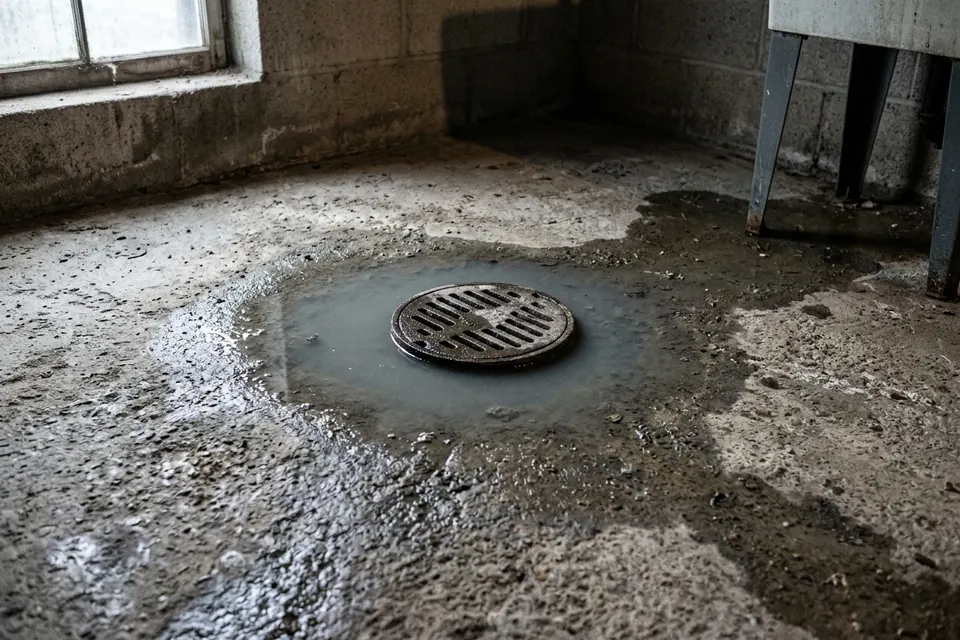
If you see water coming up through the floor drain, stop running water in the house. Every flush and every load of laundry adds to what is already backed up.
What Causes Main Drain Clogs in Toronto Homes
Toronto's older neighbourhoods have a lot of homes with original clay or cast iron drain lines and mature street trees. That combination shows up in the call log.
The City lists the usual causes on its blocked drain page, including fat, oil and cooking grease, which "cool, harden and stick to the inside of pipes," and tree roots, which "can grow into the sewer pipe and cause holes and blockages." Other causes we see often:
- Wipes, paper towel and hygiene products that don't break down the way toilet paper does.
- Sagging or cracked sections of old pipe where waste collects.
- Buildup from years of grease that narrows the pipe until something finally catches.
In homes in areas like Bloor West Village, Leaside and The Beaches, roots in an old clay drain are one of the most common reasons a main drain keeps clogging.
How Each Clog Gets Cleared
A fixture clog is usually cleared at the fixture. We remove and clean the trap, then run a small hand snake through the branch line if needed. It is normally a short visit.
A main drain clog is cleared from a cleanout, the capped access fitting on the main drain in the basement. The common options are:
- Drain snaking. A motorized cable with a cutting head is fed down the line to break through the blockage and restore flow. Our drain snaking service covers this.
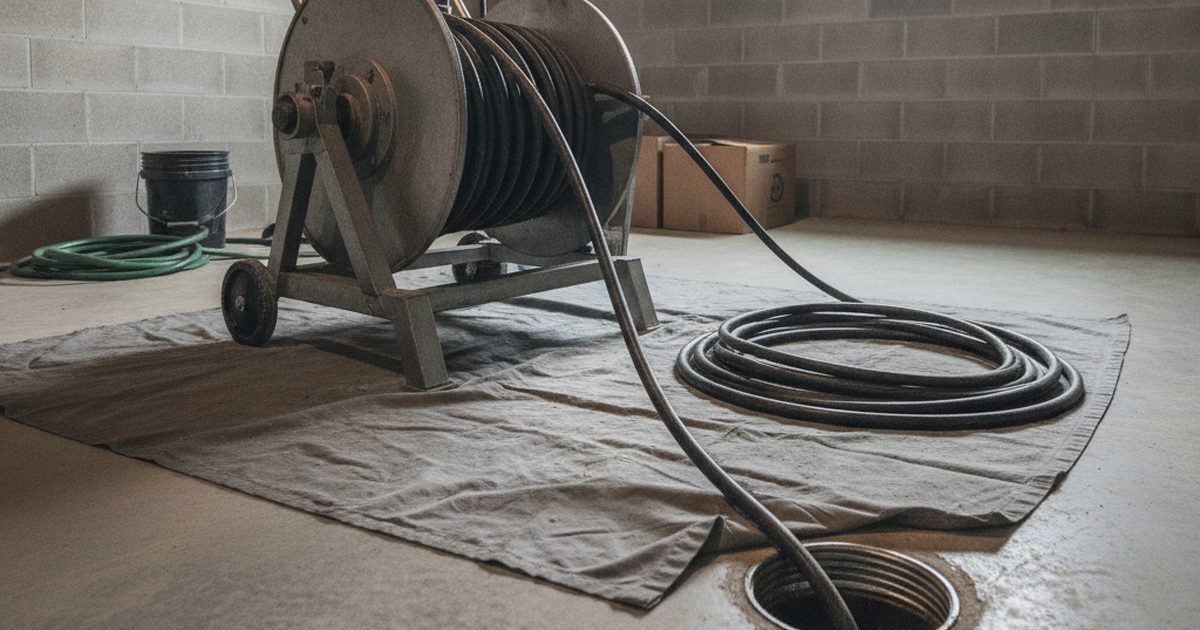
- Hydro jetting. High-pressure water scours the inside of the pipe, cutting through grease and flushing out roots and debris, so the line is cleaned rather than just opened. See our hydro jetting service.
- Camera inspection. After the line is flowing, a camera shows why it clogged: roots, a crack, a belly in the pipe or a collapsed section. That tells you whether cleaning is enough or the pipe needs repair. Our sewer camera inspection explains how it works.
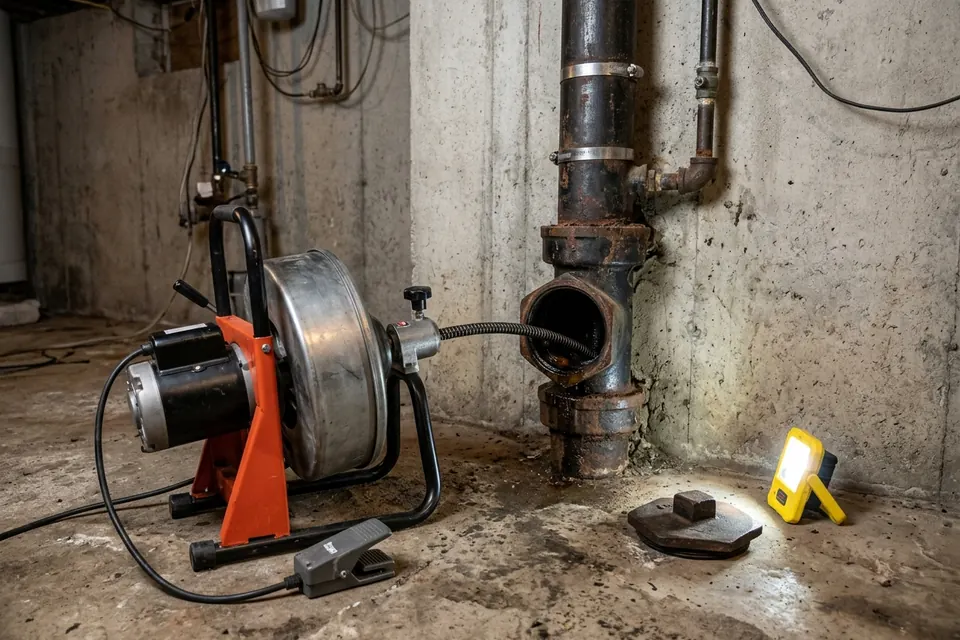
If a main drain clogs more than once, a camera inspection is worth it. Clearing the same root intrusion every year costs more over time than finding out what is actually wrong.
Who Is Responsible: You or the City?
Toronto splits the sewer connection at the property line. According to the City, the part it owns "runs from the sewermain on the street to the property line," and the part you own "runs from the property line into the home."
If your basement drain backs up, you can call 311 and Toronto Water will investigate. Staff first check the sewers near your home, then inspect your sewer connection through a cleanout. If your home doesn't have a usable cleanout, the City may tell you to have one installed before it can continue. If the City side is clear, the repair is on the private side, and the City advises calling a licensed plumber.
In practice, many homeowners call a plumber first, because a blockage inside the house, which is the most common case, is always the homeowner's to fix.
What Not to Do
- Don't keep pouring chemical drain cleaner into a drain that isn't moving. Harsh chemicals can damage older pipes, and if the clog doesn't clear, whoever opens the trap next is working with caustic water.
- Don't run more water into a main drain that is backing up into the basement.
- Don't open a cleanout on a backed-up line yourself. The cap is holding back everything above it.
A plunger on a single slow sink is fine. Beyond that, it is a job for a plumber.
Get a Slow Drain or Main Drain Clog Cleared in Toronto
Whether it is one stubborn sink or a floor drain that fills every time the washer empties, our licensed and insured team can find the clog and clear it. We offer same-day appointments Monday to Saturday, 7am to 7pm. Phones are answered 24/7, with after-hours calls booked for the next day.
Learn more about our clogged drain repair service, or see our drain cleaning service for main lines that need a full clean. If you are wondering about the price first, our Toronto drain cleaning cost guide explains what affects it. Call (416) 769-8800 to book.
Frequently Asked Questions
Why is only my bathroom sink draining slowly? Almost always hair and soap scum on the stopper or in the trap under the sink. Because only that fixture is affected, the blockage is in its own drain, not the main line.
How do I know if my main sewer line is clogged? Look for more than one slow drain at once, gurgling toilets, water rising in the tub when you flush, or water backing up through the basement floor drain. Those point to the main drain rather than a single fixture.
Will the City clear my main drain? The City investigates and handles blockages on its side of the property line. Anything from the property line into the house is the homeowner's responsibility, and the City advises calling a licensed plumber for it.
Should I get a camera inspection after a drain clog? If it is the main drain, and especially if it has clogged before, yes. The camera shows whether roots, a crack or a sag caused it, so you know whether cleaning is enough.